Treated by Dr. Hari Prakash at Dr Hariprakash
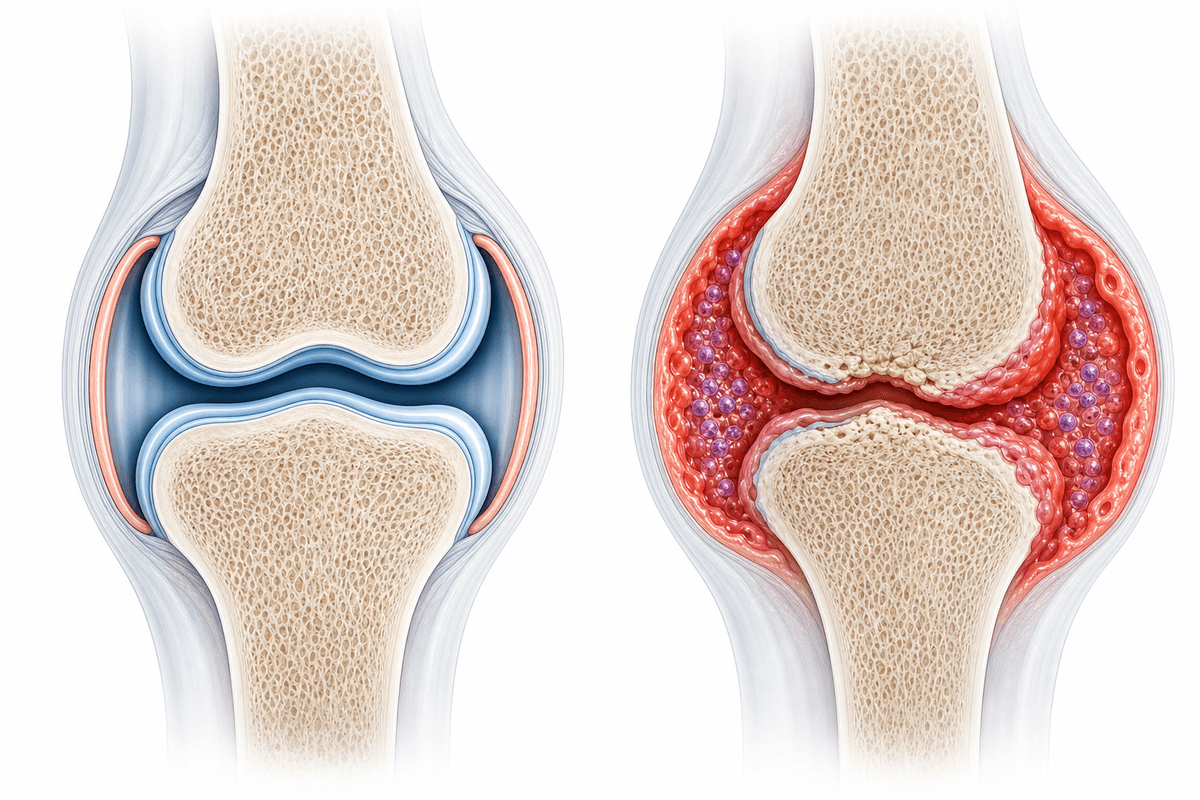
Rheumatoid Arthritis in Hyderabad is a chronic autoimmune condition causing joint inflammation, pain, and progressive deformity. This systemic disease primarily affects small joints in the hands and feet, leading to symmetrical swelling, stiffness, and reduced mobility. Dr Hariprakash provides comprehensive diagnosis and treatment for Rheumatoid Arthritis using evidence-based protocols tailored to each patient's disease severity and functional goals.
Most common form characterized by the presence of rheumatoid factor and anti-CCP antibodies in the blood, typically presenting with more aggressive joint damage and systemic complications.
Accounts for 20-30% of cases where rheumatoid factor and anti-CCP antibodies are absent, though clinical symptoms and joint inflammation patterns remain similar to seropositive disease.
Rheumatoid arthritis variant affecting children under 16 years, characterized by persistent joint inflammation, potential growth disturbances, and requiring specialized pediatric rheumatology management.
Multiple factors can contribute to the development and progression of this condition.
Rheumatoid Arthritis develops gradually. Recognising symptoms early gives you more treatment options.
From conservative to surgical — we always start with the least invasive option first.
A structured, patient-first approach from first visit to full recovery.
Dr Hariprakash conducts detailed history, physical examination of all joints, and orders comprehensive blood work including rheumatoid factor, anti-CCP antibodies, inflammatory markers, and baseline imaging to establish diagnosis and disease severity.
Based on diagnostic findings, Dr Hariprakash develops an individualized treatment strategy coordinating with rheumatologists for medical management while planning orthopedic interventions for structural joint problems and deformities.
For patients with refractory joint inflammation or advanced deformities, Dr Hariprakash performs synovectomy, tendon repairs, or joint replacement surgeries using advanced techniques optimized for rheumatoid arthritis anatomy and bone quality.
Dr Hariprakash ensures ongoing monitoring through regular follow-ups, coordinates with physiotherapists for joint protection strategies and strengthening exercises, and adjusts treatment plans based on disease activity and functional outcomes.
What to expect at each phase of recovery.
Following surgical interventions, patients focus on wound healing, pain management, and early gentle mobilization. Physical therapy begins with passive range of motion exercises progressing to active assisted movements while continuing systemic medications.
Intensive physiotherapy emphasizes restoring joint function, strengthening periarticular muscles, and learning joint protection techniques. Occupational therapy assists with adaptive devices and activity modification to minimize joint stress during daily activities.
Patients transition to independent exercise programs focused on maintaining flexibility and strength. Regular rheumatology follow-ups ensure optimal disease control with DMARDs while orthopedic monitoring addresses any emerging structural complications or adjacent joint involvement.
Patients experience significant reduction in joint pain and stiffness with improved ability to perform daily activities independently following comprehensive medical and surgical management.
Early aggressive treatment with DMARDs and timely surgical intervention prevents or minimizes characteristic rheumatoid deformities, preserving hand function and joint alignment.
Effective disease control reduces systemic inflammation, improves energy levels, and enables patients to maintain employment and social activities with minimal functional limitations.
Optimal disease management decreases the risk of extra-articular manifestations including cardiovascular disease, interstitial lung disease, and osteoporosis commonly associated with rheumatoid arthritis.
Untreated rheumatoid arthritis leads to progressive joint destruction with irreversible deformities, severe disability, and loss of independence in daily activities. The chronic systemic inflammation increases cardiovascular disease risk, accelerates osteoporosis, and can cause life-threatening complications including interstitial lung disease and vasculitis requiring emergency intervention.
Seek immediate consultation if you experience persistent joint pain and swelling lasting more than six weeks, especially when affecting multiple joints symmetrically or accompanied by morning stiffness exceeding 30 minutes. Early evaluation by Dr Hariprakash is critical if you notice joint deformities developing, sudden worsening of symptoms, or systemic features like unexplained fever, as prompt initiation of disease-modifying treatment within the first three months significantly improves long-term outcomes.
Early treatment means more options and better outcomes. Book a consultation to understand your condition and explore the right path forward.