Performed by Dr. Hari Prakash at Dr Hariprakash
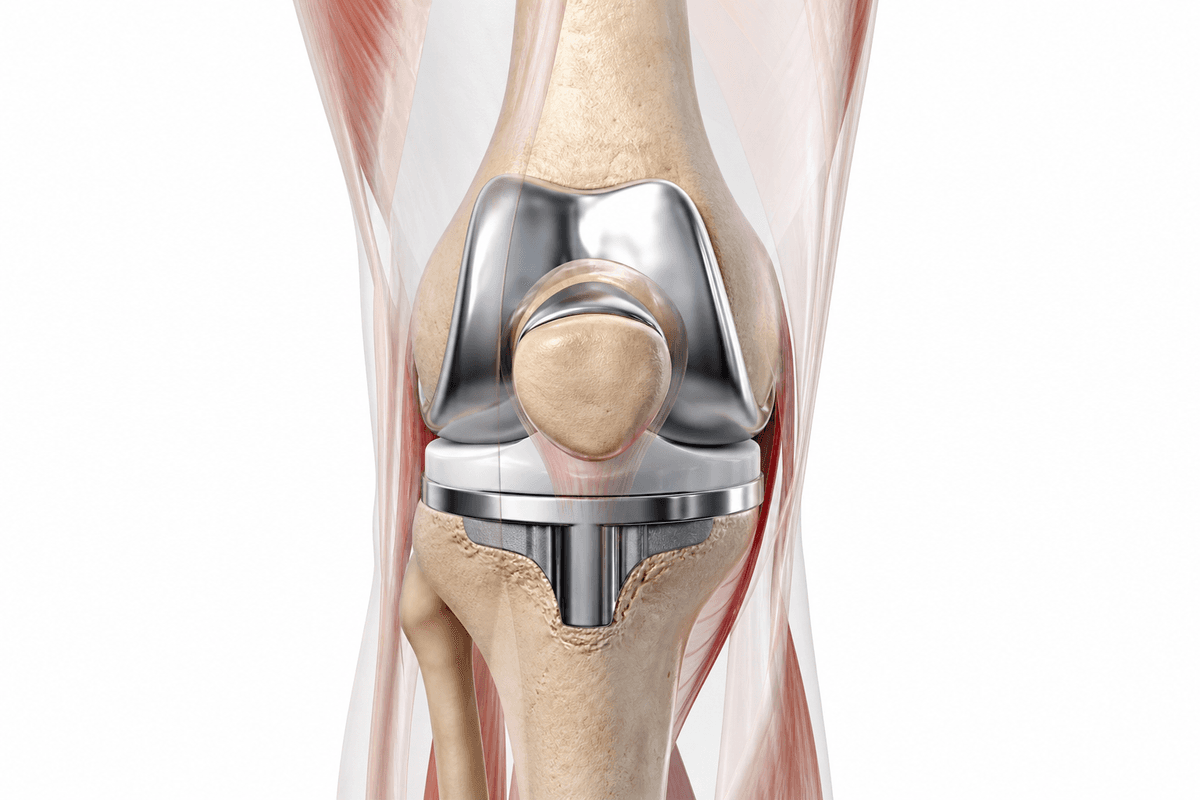
Total Knee Replacement is a surgical procedure where damaged or worn surfaces of the knee joint are removed and replaced with artificial components made of metal and plastic. Dr Hariprakash evaluates each patient's knee condition, overall health, and functional needs to determine if this procedure is appropriate. The surgery aims to relieve pain and improve movement in knees severely affected by arthritis or injury.
We believe in honest, upfront disclosure so you can make an informed decision.
A step-by-step look at what happens during this procedure.
The anaesthesiologist administers either spinal anaesthesia to numb the lower body or general anaesthesia so you sleep through the procedure.
An incision is made over the front of the knee to access the joint. Muscles and tissues are carefully moved aside to expose the knee surfaces.
Damaged cartilage and bone are removed from the ends of the thigh bone, shin bone, and kneecap using precision instruments to create smooth surfaces.
Metal and plastic components are fitted onto the prepared bone surfaces. These artificial parts recreate the smooth gliding motion of a healthy knee joint.
The incision is closed with stitches or staples, and a dressing is applied. You are then moved to a recovery area where vital signs are monitored as anaesthesia wears off.
A structured, patient-first approach from first consultation to full recovery.
Dr Hariprakash conducts a thorough assessment including physical examination, imaging studies, and review of your medical history to plan the procedure according to your specific knee anatomy and health needs.
The appropriate implant type and surgical approach are chosen based on the extent of joint damage, bone quality, and alignment, ensuring the components fit your knee properly.
A coordinated care plan includes pain management, infection prevention, early mobilisation with physiotherapy, and monitoring for complications during the hospital stay.
Clear instructions and follow-up appointments are provided to support your recovery, monitor healing, track implant function, and adjust therapy as your knee regains strength and range of motion.
What to expect at each stage of your recovery journey.
The first few days involve managing pain and swelling, preventing blood clots with medication and leg exercises, and beginning gentle knee movement and walking with assistance. Recovery pace varies by individual, and clinical instructions take priority.
Over the first six to eight weeks, physiotherapy focuses on gradually restoring knee motion, rebuilding strength in the leg muscles, and improving balance. Walking aids are used initially and phased out as stability improves.
From three to six months, the knee continues to adapt to the implant. Most daily activities can be resumed, though high-impact sports are typically avoided. Full functional improvement may continue for up to a year.
The procedure aims to significantly reduce or eliminate chronic knee pain caused by severe arthritis or joint damage, though individual responses vary and some patients may experience residual discomfort.
Many people regain the ability to walk, climb stairs, and perform daily tasks more comfortably. However, the knee may not feel entirely natural, and certain movements or activities may remain limited.
While the procedure can restore function for most routine activities, high-impact exercises like running or jumping are generally not recommended to protect the implant from excessive wear.
Artificial knee components typically last 15 to 20 years, but they can wear out or loosen over time, potentially requiring revision surgery in the future.
The right choice depends on your diagnosis, risks and circumstances — discussed with you at your consultation.
When only one compartment of the knee is damaged, replacing just that section may be an option. This involves a smaller incision and shorter recovery but is suitable only for localised arthritis.
Pain relievers, anti-inflammatory drugs, or joint injections can manage symptoms in earlier stages of arthritis. These approaches may delay or avoid surgery but do not repair damaged cartilage.
Strengthening exercises, weight management, and activity modification can reduce knee pain and improve function. This conservative approach is often tried first, especially when symptoms are mild to moderate.
Let's clear up some of the most common myths about total knee replacement.
Get a personalised assessment from an experienced specialist. Understand your options, ask your questions, and decide with confidence.