Treated by Dr. Hari Prakash at Dr Hariprakash
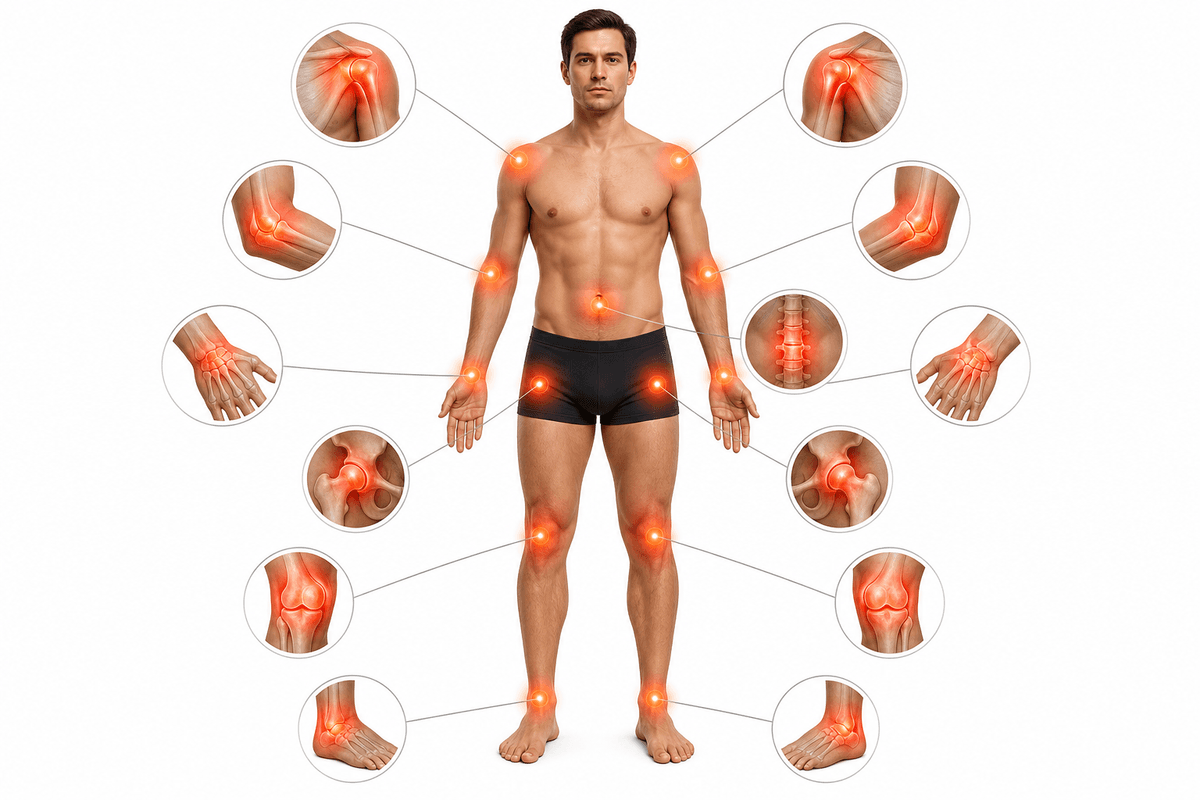
Joint pain is discomfort, aching, or soreness in any of the body's joints—places where two bones meet, such as the knees, hips, shoulders, elbows, or fingers. It can range from mild stiffness to severe pain that limits movement. Dr Hariprakash evaluates each patient to identify the underlying cause and recommends appropriate care based on individual needs.
Pain caused by conditions like arthritis where the joint lining becomes inflamed, often with warmth, redness, and swelling.
Pain from wear and tear, injury, or overuse that affects the cartilage, ligaments, or bones within the joint.
Discomfort felt in a joint but originating from another structure, such as nerve compression or problems in a nearby area.
Multiple factors can contribute to the development and progression of this condition.
Recognising the signs early gives you more treatment options.
Assessment begins with a detailed discussion of your symptoms, activities, and medical history, followed by a physical examination of the affected joint. Not every patient requires imaging or laboratory tests; these are ordered when needed to confirm the diagnosis or rule out specific conditions.
From conservative to surgical — we always start with the least invasive option first.
A structured, patient-first approach from first visit to full recovery.
Dr Hariprakash listens to your concerns, examines the joint, and reviews your activity level and medical history to understand the source of pain.
Imaging or tests are ordered only when necessary. The findings are explained clearly so you understand what is causing the discomfort.
A plan is built around your needs, starting with conservative measures and adjusting based on how you respond.
Follow-up visits track your progress, address any concerns, and modify the approach as your condition improves or changes.
What to expect at each phase of recovery.
Focus is on reducing pain and inflammation through rest, medication, and activity changes. Timelines vary widely depending on the cause.
Gradual return to movement with guided exercises to rebuild strength and flexibility. Individual progress determines the pace.
Long-term strategies to protect the joint and prevent recurrence, including lifestyle adjustments and ongoing exercise. Recovery goals are tailored to each patient.
Many patients experience significant relief with appropriate care, though complete elimination of pain may not always be possible, especially in degenerative conditions.
Treatment aims to restore as much mobility and independence as possible, helping you return to daily activities with greater comfort.
While some joint conditions continue to evolve over time, good management can slow deterioration and delay the need for more invasive interventions.
Responses to treatment differ based on the underlying cause, overall health, and adherence to recommended care. Expectations are set realistically during consultation.
Untreated joint pain may worsen over time, leading to increased stiffness, reduced mobility, and greater difficulty with everyday tasks. In some cases, underlying conditions like arthritis can progress, causing more extensive joint damage. Early assessment and appropriate care can help prevent these complications.
Seek medical attention if joint pain is severe, persists for more than a few weeks, or is accompanied by swelling, redness, warmth, or fever. You should also see a doctor if the pain interferes with your daily activities or follows an injury. Early evaluation helps identify the cause and guide effective treatment.
Early treatment means more options and better outcomes. Book a consultation to understand your condition and explore the right path forward.