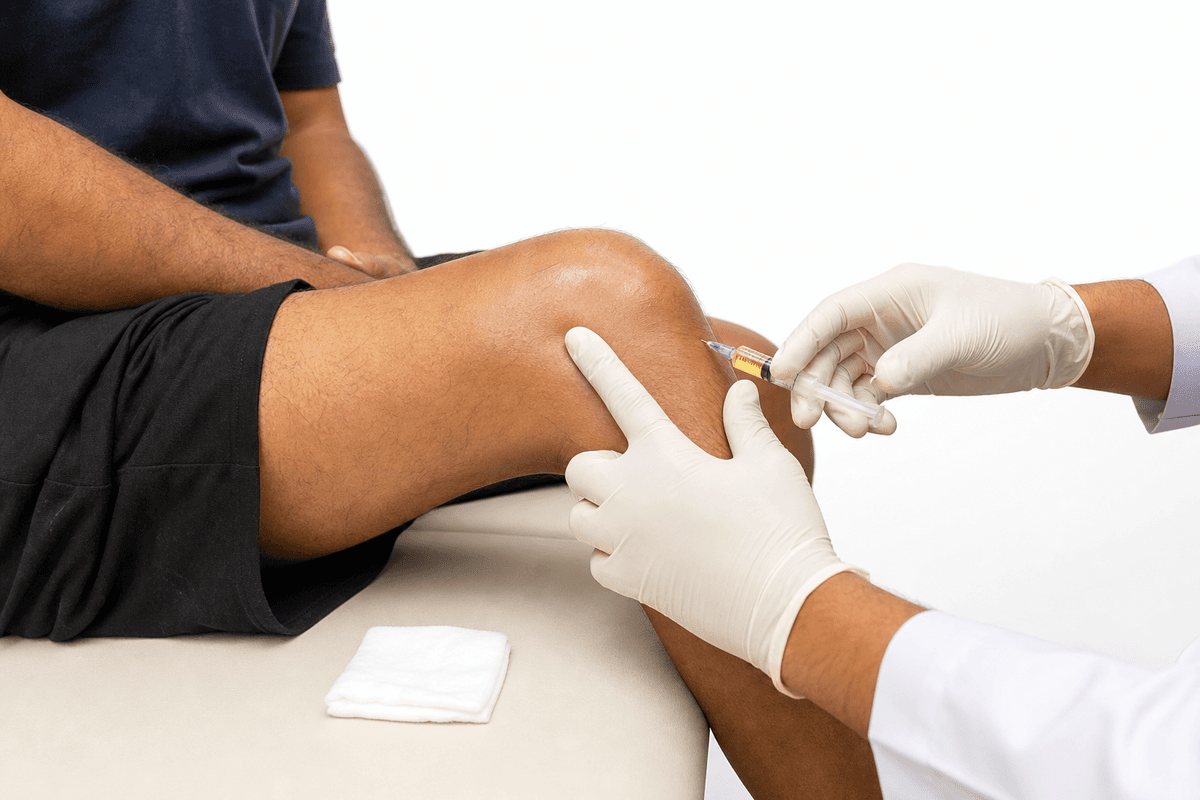
Performed by Dr. Hari Prakash at Dr Hariprakash
Intraarticular injections place medication directly into the joint space to reduce pain, swelling, and stiffness caused by arthritis, injury, or inflammation. The procedure involves inserting a fine needle through the skin into the affected joint under sterile conditions. Dr Hariprakash performs this procedure in Kompally for patients experiencing joint problems that have not improved with other treatments.
We believe in honest, upfront disclosure so you can make an informed decision.
A step-by-step look at what happens during this procedure.
You will be positioned to allow easy access to the affected joint. The area is cleaned with antiseptic solution to prevent infection.
Local anaesthetic is applied to numb the skin and surrounding tissue. Some procedures may use imaging guidance to ensure accurate needle placement.
A fine needle is carefully inserted through the skin into the joint space. You may feel pressure but should not experience sharp pain.
The medication, typically a corticosteroid or hyaluronic acid, is injected slowly into the joint. Sometimes fluid is removed from the joint before medication is given.
The needle is withdrawn and a small dressing is applied. You will rest briefly before being allowed to go home with aftercare instructions.
A structured, patient-first approach from first consultation to full recovery.
Dr Hariprakash examines the affected joint, reviews your medical history, and determines whether joint injection is appropriate for your condition.
The procedure is performed under strict sterile conditions to minimize infection risk. The injection site is thoroughly cleaned and prepared.
The injection is performed with careful technique to ensure medication reaches the joint space. Imaging may be used when needed for accuracy.
You receive clear instructions on what to expect, activity modifications, and when to seek help if problems arise.
What to expect at each stage of your recovery journey.
Rest the injected joint and apply ice if there is swelling. Avoid strenuous activity. Some people experience a temporary flare of pain before improvement begins. Individual instructions from your doctor take priority.
Gradually resume light activities as tolerated. Avoid heavy lifting or high-impact activities involving the injected joint. Most people can return to desk work within a day or two. Recovery timelines vary by individual.
Pain and inflammation typically improve during this period. Physical therapy or exercises may be recommended to maintain joint function. The duration of benefit varies depending on the condition and medication used.
Joint injections may provide temporary relief from pain, swelling, and stiffness, making movement easier and improving daily function. The duration of relief varies from weeks to months depending on the underlying condition and medication used.
While injections can relieve symptoms, they do not reverse joint damage or cure conditions like arthritis. The underlying disease process continues, and repeat injections may be needed.
In some cases, the response to an injection helps confirm the source of pain, guiding further treatment decisions.
Some people experience significant benefit while others notice little improvement. Response depends on the specific condition, severity of joint damage, and individual factors.
The right choice depends on your diagnosis, risks and circumstances — discussed with you at your consultation.
Anti-inflammatory drugs or pain relievers taken by mouth can manage joint symptoms without injection. This may be tried first for mild to moderate symptoms.
Exercises, stretching, and manual therapy can improve joint function and reduce pain. Often recommended alone or alongside other treatments depending on the condition.
Arthroscopy or joint replacement may be considered for severe joint damage that has not improved with injections and other conservative treatments. Choice depends on diagnosis, age, activity level, and individual circumstances.
Let's clear up some of the most common myths about intraarticular (joint) injections.
Get a personalised assessment from an experienced specialist. Understand your options, ask your questions, and decide with confidence.