Treated by Dr. Hari Prakash at Dr Hariprakash
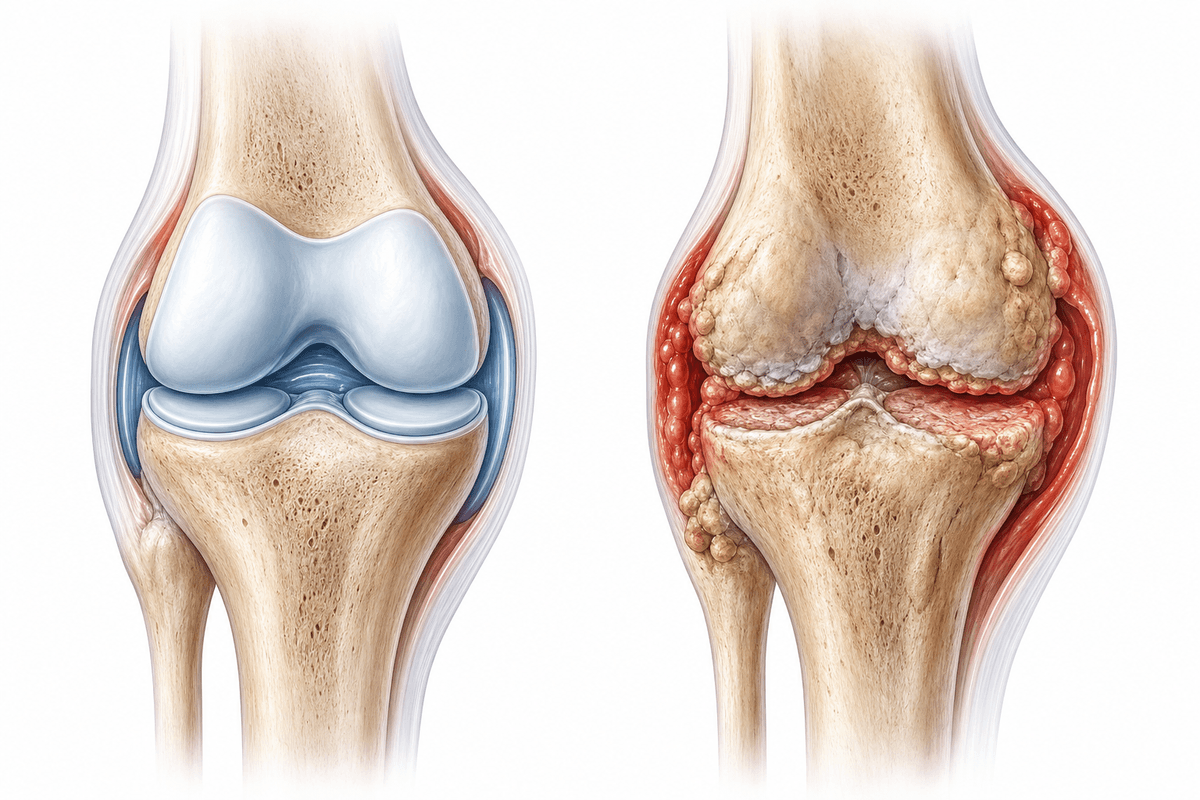
Arthritis is inflammation of one or more joints that leads to pain, stiffness and reduced movement. It can affect people of all ages and occurs in many forms, with osteoarthritis and rheumatoid arthritis being the most common. Dr Hariprakash evaluates each patient carefully to understand the type and severity, then works with you to create a treatment plan that may include lifestyle changes, medication, physical therapy or other interventions based on your individual condition.
The most common form, where cartilage in the joint gradually wears down over time, often affecting weight-bearing joints like knees, hips and spine.
An autoimmune condition where the body's immune system attacks the joint lining, typically affecting multiple joints symmetrically and causing systemic symptoms.
Joint inflammation that develops after an injury such as a fracture or ligament tear, which can damage cartilage and lead to arthritis months or years later.
Multiple factors can contribute to the development and progression of this condition.
Recognising the signs early gives you more treatment options.
Assessment begins with a detailed history of your symptoms and a physical examination of the affected joints. Not every patient requires all tests; investigations are chosen based on individual presentation and suspected type of arthritis.
From conservative to surgical — we always start with the least invasive option first.
A structured, patient-first approach from first visit to full recovery.
Dr Hariprakash takes a complete history of your symptoms, examines the affected joints and orders appropriate investigations to identify the type and extent of arthritis.
Based on the findings, a treatment plan is developed that may include lifestyle advice, medications, physical therapy or referral to specialists if needed for autoimmune types.
Most patients begin with non-surgical approaches including activity modification, physiotherapy and medications to manage pain and maintain joint function.
Regular follow-up allows for monitoring of symptoms, adjusting treatments as needed and discussing further options such as injections or surgery if conservative measures are insufficient.
What to expect at each phase of recovery.
Early weeks focus on controlling pain and inflammation through medications, activity changes and starting gentle exercises as tolerated. Response varies between individuals.
Over weeks to months, emphasis shifts to building strength, improving range of motion and learning strategies to protect joints during daily activities.
Ongoing self-management includes regular exercise, weight management if relevant, medication as prescribed and periodic check-ups to monitor the condition and adjust care.
Many patients experience meaningful reduction in pain and improvement in daily function with appropriate management, though arthritis is typically a long-term condition requiring ongoing care.
Treatment aims to slow joint damage and maintain mobility, though it may not reverse existing changes or prevent all progression, particularly in degenerative forms.
Response to treatment varies widely depending on the type of arthritis, severity at presentation and individual factors such as overall health and adherence to the care plan.
Most forms of arthritis are chronic conditions that require sustained management rather than a one-time cure, with adjustments made over time as the condition evolves.
Untreated arthritis often leads to worsening pain, increasing joint stiffness and progressive loss of function that can interfere with work and daily activities. In inflammatory types like rheumatoid arthritis, ongoing joint damage may result in deformity and disability. Early assessment and management can help preserve joint health and quality of life.
Seek medical attention if you experience persistent joint pain, swelling or stiffness that does not improve with rest or over-the-counter measures, or if joint symptoms interfere with your daily activities. Early evaluation is especially important if you notice swelling in multiple joints, morning stiffness lasting more than an hour or symptoms accompanied by fever or unexplained weight loss.
Early treatment means more options and better outcomes. Book a consultation to understand your condition and explore the right path forward.