Performed by Dr. Hari Prakash at Dr Hariprakash
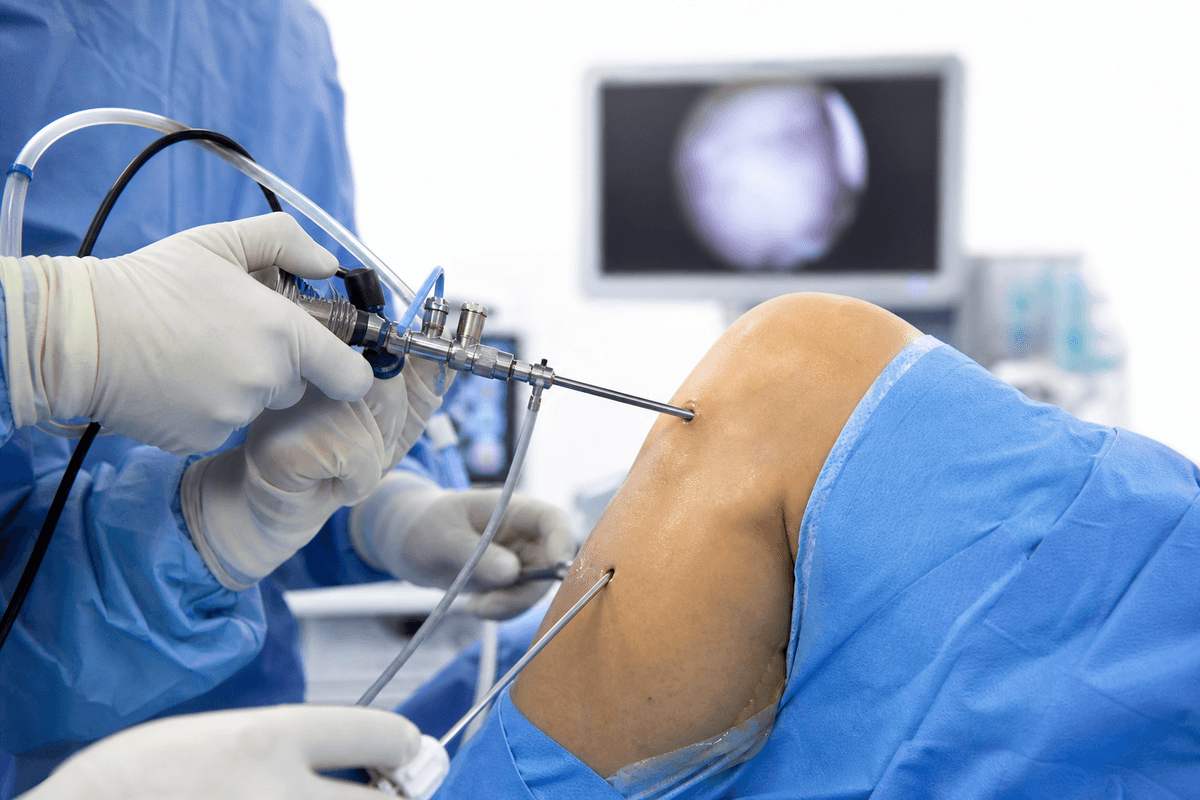
Arthroscopic surgery is a minimally invasive procedure that allows the surgeon to see inside a joint using a thin tube with a camera (arthroscope) inserted through a small incision. This technique is used to diagnose and treat various joint problems, including torn cartilage, damaged ligaments, and inflamed tissue. Dr Hariprakash performs arthroscopic procedures to help restore joint function while minimising tissue disruption.
We believe in honest, upfront disclosure so you can make an informed decision.
A step-by-step look at what happens during this procedure.
General, spinal, or regional anaesthesia is given to ensure you are comfortable and pain-free during the procedure.
Small incisions, typically less than half a centimetre each, are made around the joint. The arthroscope is inserted through one incision to display images of the joint interior on a monitor.
Sterile fluid is pumped into the joint to expand the space and improve visibility. The surgeon examines the joint structures on the screen to identify the problem.
Additional small instruments are inserted through other incisions to repair or remove damaged tissue, smooth rough cartilage, remove loose fragments, or reconstruct torn ligaments.
The instruments are removed, the joint is drained of fluid, and the small incisions are closed with stitches or adhesive strips. A sterile dressing is applied.
A structured, patient-first approach from first consultation to full recovery.
Dr Hariprakash reviews your medical history, examines the affected joint, and discusses imaging findings to confirm that arthroscopy is appropriate for your condition.
The specific techniques and instruments needed are planned based on the diagnosis, whether the goal is diagnostic examination, repair, or removal of damaged tissue.
Dr Hariprakash performs the arthroscopy using magnified joint images to guide precise treatment while protecting healthy structures.
After the procedure, Dr Hariprakash provides individualised instructions for wound care, weight-bearing, movement exercises, and follow-up appointments to support recovery.
What to expect at each stage of your recovery journey.
The first few days involve rest, ice application, elevation of the joint, and pain medication as directed. Gentle movement exercises may begin to prevent stiffness, and dressings are kept clean and dry. Individual recovery instructions take priority over general timelines.
Over the following two to four weeks, physiotherapy exercises help restore range of motion and gradually rebuild strength. Activity is increased slowly, avoiding movements that stress the healing tissue.
Complete healing typically takes several weeks to months depending on the joint treated and the extent of repair. Return to sports or demanding physical activity is guided by clinical assessment and functional progress.
Arthroscopy may reduce joint pain and improve movement when damaged tissue is successfully addressed. However, results depend on the underlying condition, the extent of joint damage, and individual healing response.
The procedure may provide less benefit if the joint has significant arthritis or widespread cartilage loss, and it does not reverse degenerative changes that are already present.
Compared to open surgery, arthroscopy typically involves less tissue disruption, smaller scars, and a shorter rehabilitation period, though recovery still takes time and effort.
Some joint problems may recur or progress despite surgery, particularly if underlying factors such as instability, alignment issues, or ongoing wear are not addressed.
The right choice depends on your diagnosis, risks and circumstances — discussed with you at your consultation.
Physiotherapy, anti-inflammatory medication, activity modification, and injections may be tried first for many joint problems. These options are considered when symptoms are mild or when surgery carries higher risk for the individual.
Traditional open surgery with a larger incision may be necessary for complex repairs, severe damage, or when a full view of the joint is required. The choice depends on the diagnosis and technical demands of the repair.
When arthritis is advanced and joint surfaces are severely damaged, replacement of the joint may be more appropriate than arthroscopy. This decision is based on the degree of degeneration and functional limitations.
Let's clear up some of the most common myths about arthroscopic surgeries.
Get a personalised assessment from an experienced specialist. Understand your options, ask your questions, and decide with confidence.